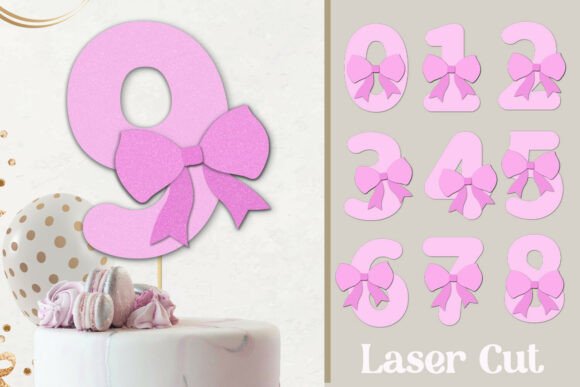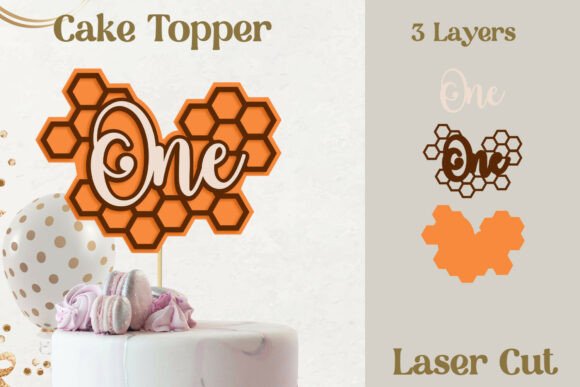
3D Layered Birthday Cake Topper SVG Review
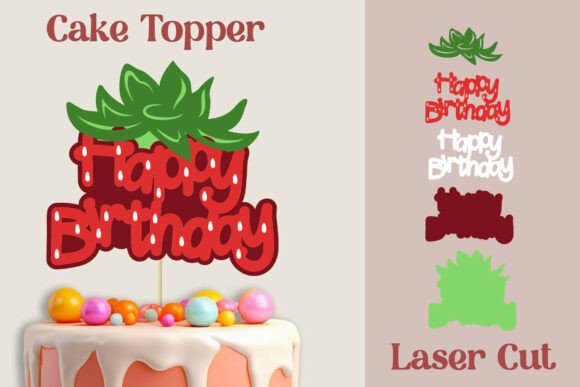
As a designer who bridges the gap between digital files and tangible textiles, I approach every new asset with a critical eye. When I first opened the 3D Layered Birthday Cake Topper SVG, my immediate thought was not about how it would look on a laser cutter, but how its structural logic would translate into a machine embroidery design. While this file is marketed primarily for laser cutting and paper crafts, the layered aesthetic offers a unique blueprint for embroiderers looking to create dimensional, high-value birthday merchandise. The visual personality of this design is celebratory yet structured, relying on distinct separation between layers to create depth. For an embroidery digitizer or shop owner, this separation is gold; it mimics the natural breaks we need when planning applique or multi-hoop projects.
Translating Vector Layers to Stitch Logic
The strength of this specific SVG lies in its clear delineation of shapes. In the world of sweatshirt embroidery or custom apparel, ambiguous lines are the enemy. This design avoids that pitfall. When I evaluate this for a real-life project, such as a personalized denim jacket back patch or a festive tote bag, I see a roadmap for mixed-media techniques. The "3D" aspect implies stacking, which in embroidery terms suggests using foam underlay, heavy stabilizer, or actual fabric layering via applique.
For a small business owner creating a capsule birthday collection, this design serves as an excellent base for an applique design. Because the original file is intended for laser cutting, the paths are likely closed and continuous. This makes converting them into satin stitch borders or running stitch placement lines significantly easier than tracing a raster image. I envision using this for a premium baby embroidery project where the cake layers are made of different textured fabrics—perhaps minky for the frosting and cotton for the sponge—held together by precise stitching. The result is a tactile, handmade product that feels far more expensive than a standard flat fill stitch design.
Real-World Application: The Custom Tote Bag Test
To truly judge the viability of the 3D Layered Birthday Cake Topper SVG, I mentally walked through producing a custom embroidered tote bag for a client’s 30th birthday party favor. Totes are unforgiving; they get washed, crumpled, and loaded with weight. A delicate paper topper design needs significant reinforcement to survive this environment.
In this scenario, I would not simply stitch the outline. I would use the SVG layers to create a registration guide. The bottom layer becomes a dense fill stitch foundation to prevent the canvas from puckering. The middle layers act as guides for cut-fabric applique, secured with a narrow satin stitch. The top decorative elements could be executed as standalone embroidered patches that are then attached to the bag, giving true physical dimensionality. This approach transforms a simple digital download into a complex commercial embroidery piece. For Etsy sellers, this level of execution justifies a higher price point because it demonstrates technical mastery and material quality that mass-produced items cannot replicate.
Navigating Fabric Constraints and Hoop Limitations
However, practical experience dictates caution. Not every substrate welcomes a layered cake motif. When adapting this SVG for embroidery, you must consider the interplay between stitch density and fabric texture.
- Stretchy Fabrics: If applying this to a ribbed knit sweater or stretchy jersey, the rigid geometry of a cake topper can distort. You will need a heavyweight cut-away stabilizer and potentially a topping to keep the stitches from sinking into the knit loops.
- Small Hoop Sizes: The intricate details typical of 3D cake designs can become muddy in a 4x4 hoop. Before committing to a production run of baby onesies or caps, verify that the smallest internal details remain legible when scaled down. You may need to simplify the inner layers for smaller formats.
- Dark vs. Light Backgrounds: This design relies on contrast to show its 3D effect. On dark fabric, ensure your thread colors provide enough value separation. A white cake on a navy sweatshirt works beautifully, but a pastel cake on cream fabric might disappear unless outlined with a darker running stitch or metallic accent.
- Curved Surfaces: Caps and sleeves present alignment challenges. Since this SVG was designed for flat laser cutting, you may need to manually adjust the digitizing to account for the curve of a hat brim, ensuring the cake doesn't look distorted when worn.
Elevating Brand Value and Customer Trust
Using a well-structured vector file like the 3D Layered Birthday Cake Topper SVG signals professionalism. Customers can tell the difference between a hastily traced clip-art embroidery and a design built on clean geometry. When I review digital embroidery files for my own shop, I look for assets that allow for consistency across different products. This cake design has the versatility to appear on a nursery pillow cover, a kitchen tea towel, and a matching greeting card while maintaining brand cohesion.
For creative entrepreneurs selling printable mockups or digital design assets, this file is also valuable. You can showcase the SVG in its original laser-cut form alongside a rendered embroidery preview, demonstrating to buyers how one asset can serve multiple crafting niches. This cross-pollination increases the perceived value of your shop. Furthermore, when clients see that you have adapted a design specifically for textile durability rather than just auto-digitizing a picture, it builds trust. They understand that their personalized gift will last beyond the birthday party.
Essential Designer Notes Before You Stitch
Before you load this design into your machine or list a finished product, adhere to these professional best practices to ensure success:
- Verify Licensing: The product description mentions use for t-shirts and party decor, but always confirm the specific commercial license terms regarding embroidered goods versus digital resale. Protect your craft business by knowing your rights.
- Test on Scrap Fabric: Never assume stitch density translates perfectly from vector to thread. Run a test sew-out on the exact fabric and stabilizer combination you plan to use. Check for gaps between layers or excessive stiffness.
- Check Thread Color Contrast: View your thread palette in black and white before stitching. If the values are too similar, the 3D effect will be lost regardless of how many layers you stack.
- Inspect Small Details: Zoom in on the SVG. Are there tiny flourishes that would require 60-weight thread? If so, decide if they are necessary for the embroidered version or if they should be omitted to maintain clarity.
- Mockup Realistically: When listing this as a custom apparel item, avoid generic digital overlays. Use photos of actual test stitches or high-quality textured mockups that represent the fabric grain. This manages customer expectations regarding the final handmade product.
- Stabilizer Selection: Given the layered nature, treat this as a dense design. Even on stable woven cotton, use adequate backing to support the cumulative weight of multiple stitch layers.
The 3D Layered Birthday Cake Topper SVG is more than just a party decoration file; it is a structural foundation for high-quality textile art. By respecting the differences between laser cutting and needlework, and by applying thoughtful adaptation techniques, you can turn this digital asset into a standout embroidery project that delights customers and strengthens your brand's reputation for quality craftsmanship. Whether you are making a single heirloom gift or a full line of birthday merchandise, let the precision of the vector guide your needle to better results.