3D SVG Review: Dragonfly Papercut for Other Crafts
Evaluating Organic Texture for a Boutique Brand Identity
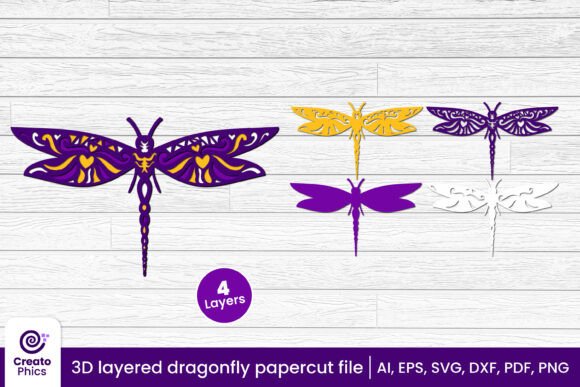
When sourcing a graphic design asset for a client in the handmade or wellness space, the primary challenge is often finding imagery that feels artisanal rather than mass-produced. My current project involves developing a cohesive brand identity and packaging suite for an organic skincare line launching on Etsy. The client requires visuals that communicate delicacy, natural transformation, and tactile quality. Upon reviewing the 3D Layered Dragonfly Papercut File Las, my immediate impression was one of structural elegance. Unlike flat vector illustrations, this 3D SVG carries an inherent sense of depth and shadow play that mimics physical craftsmanship.
The mood established by this asset is distinctly ethereal yet grounded. It avoids the cartoonish aesthetic common in generic insect clipart, leaning instead toward sophisticated editorial design. For a designer, this distinction is critical. The layered construction suggests movement and fragility, making it an ideal anchor for marketing visuals that need to evoke emotion without relying on heavy typography. While the product description references butterfly styles, this dragonfly variant offers a more elongated, modern silhouette that aligns better with contemporary small business branding trends. It feels less like a nursery decoration and more like a deliberate creative design choice for a premium audience.
Performance Across Packaging and Digital Touchpoints
In practical application, the versatility of this digital product becomes apparent when tested across various media. For the skincare project, I utilized the file as a secondary pattern element on packaging design prototypes. The intricate layers translate beautifully to embossed paper textures and spot UV finishes, adding a luxury feel to unboxing experiences. As a printable design element, the vector lines remain crisp even when scaled down for product labels, provided the layering details are not overly dense at small sizes.
Digital applications present different opportunities. When adapted for social media graphics, particularly Pinterest pins and Instagram carousels, the 3D nature of the dragonfly creates natural negative space for text overlays. This is invaluable for Canva template creation, where non-designers need assets that guide the eye rather than clutter the composition. I also tested the file for sublimation design on ceramic mugs and tote bags. The depth illusion works exceptionally well here, as the printed shadows mimic actual dimensional layers, elevating standard print-on-demand merchandise above competitors using flat art.
For crafters and makers, this file serves as a robust foundation for Cricut project workflows. The separation of layers allows for multi-material experimentation, such as combining vellum with cardstock, which can then be photographed for authentic product mockup content. This bridges the gap between digital files and tangible Etsy product listings, providing sellers with ready-made visual assets that demonstrate the file's potential end-use.
Strategic Placement: Where Depth Enhances Hierarchy
Understanding where to deploy this illustration is as important as the asset itself. The 3D Layered Dragonfly Papercut File Las excels in large layout areas where its complexity can breathe. It functions best as a hero graphic on website landing pages or as a central motif on greeting cards and invitations. In these contexts, the asset supports visual hierarchy by drawing attention to the center of the composition while allowing peripheral elements to remain subtle.
It is also highly effective as a decorative accent in themed collections. For example, pairing this dragonfly with botanical clipart creates a balanced ecosystem for spring campaign visuals. The organic lines complement serif and handwritten fonts, reinforcing a narrative of natural beauty. When used in sticker design, the layered effect adds perceived value, justifying higher price points for physical goods. For web design, utilizing the SVG format ensures fast load times while maintaining resolution independence, a key factor for mobile-first user experiences.
Navigating Limitations in Minimalist and Corporate Contexts
Despite its strengths, this asset requires careful handling. It should be used sparingly in minimalist branding or strict corporate environments where clean lines and high legibility are paramount. The intricate papercut aesthetic can introduce visual noise that competes with essential information. In crowded layouts or designs with complex photographic backgrounds, the delicate layering may get lost, reducing the impact of both the image and the surrounding content.
Readability is another concern. Placing body text directly over the detailed wings of the dragonfly is inadvisable unless significant opacity adjustments or solid backing shapes are applied. The asset demands respect for white space. Furthermore, while perfect for handmade business niches, it may feel out of place in tech, finance, or industrial sectors. Designers must evaluate whether the whimsical, handcrafted connotation aligns with the client’s long-term brand voice. If the goal is stark modernism or utilitarian clarity, this design bundle might introduce an unintended softness that dilutes the message.
Technical Due Diligence for Commercial Application
Before integrating the 3D Layered Dragonfly Papercut File Las into any paid deliverable, rigorous technical testing is mandatory. Always verify the commercial license terms specifically; some licenses cover physical products but restrict digital redistribution or template creation. Confirming these rights protects both the designer and the client from future legal complications.
From a production standpoint, test the file in black and white first. A strong SVG design must hold its form without color differentiation between layers. Check contrast ratios on both light and dark backgrounds to ensure the cut lines remain visible. Preview the asset at actual print size to identify any vector nodes that might be too thin for laser cutting or die-cutting machines. Inspect PNG design exports for clean transparency edges; jagged pixels around the wings can ruin an otherwise professional t-shirt design or digital ad.
Typography pairing tests are equally crucial. Compare the asset against your chosen typefaces. Does the organic curve of the dragonfly wing harmonize with the x-height of your sans serif? Does it clash with the flourishes of a script font? Finally, assess editability. Can individual layers be recolored or repositioned to fit specific modern design requirements? A truly useful creative marketplace asset allows for customization without breaking the underlying geometry. By conducting this level of scrutiny, designers transform a simple download into a reliable, high-value component of their professional toolkit, ensuring the final output resonates authentically with the target audience.