Halloween Pumpkin 3D SVG: Papercut Bookmarks Review
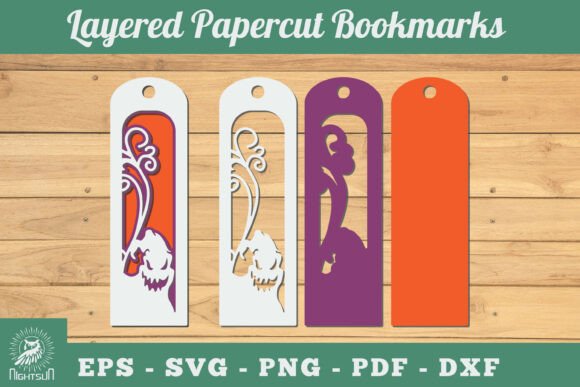
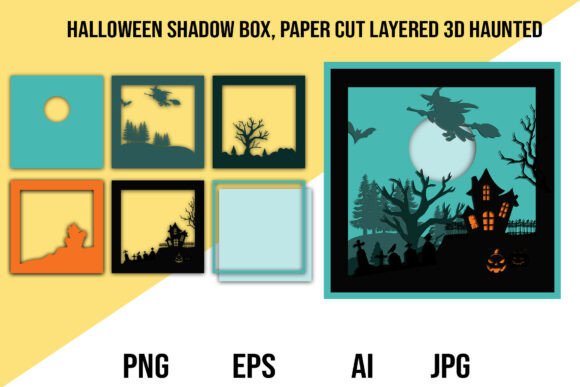
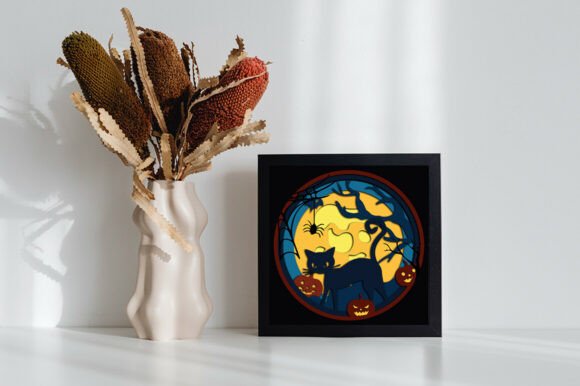
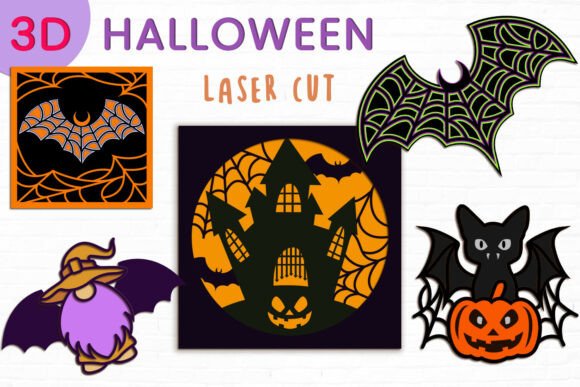
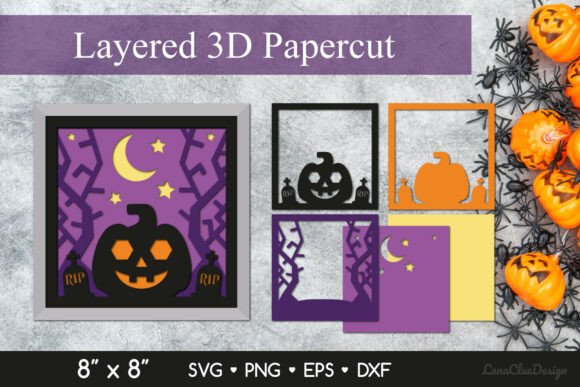
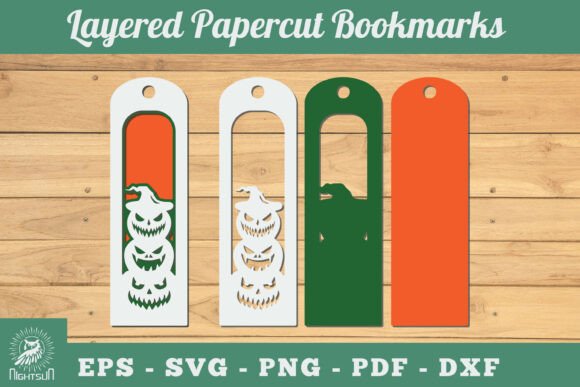
As a digital publisher and blog designer constantly scouting for assets that bridge the gap between seasonal fun and professional editorial standards, my first impression of the Halloween Pumpkin 3D Papercut Bookmarks was surprisingly positive. In an oversaturated market of flat vector clip art, this graphic design asset offers genuine depth. The papercut aesthetic creates a tactile, layered visual mood that immediately signals craftsmanship rather than generic stock imagery. For content creators in the DIY, parenting, education, or lifestyle niches, this style establishes an instant emotional connection with readers who value handmade authenticity. It feels playful yet structured, avoiding the chaotic clutter often associated with holiday graphics while maintaining enough artistic detail to serve as a standalone hero image.
Elevating Editorial Layouts and Blog Graphics
In a real publishing workflow, versatility is non-negotiable. I tested these Halloween Pumpkin 3D Papercut Bookmarks across multiple content formats to see if they could withstand the rigors of modern web design. The high-quality PNG files are exceptionally crisp, making them ideal for featured images on blog posts about autumn reading lists, classroom activities, or seasonal crafts. Unlike standard illustrations, the simulated shadow layers provide natural negative space, which is crucial for overlaying headline text without sacrificing readability. This built-in visual hierarchy allows publishers to create clickable Pinterest pins and social media graphics that stand out in crowded feeds. The 3D SVG format also opens doors for interactive web elements or animated headers, adding a dynamic layer to static content pages that can significantly reduce bounce rates by engaging visitors visually within the first three seconds of arrival.
Strategic Applications for Digital Products and Lead Magnets
Beyond standard blog graphics, this asset shines when repurposed for monetization and list building. As a digital product creator, I found the clean lines and distinct shapes perfect for designing lead magnets such as printable reading trackers, library bookmarks, or Halloween party planners. The papercut style translates beautifully to PDF guides and worksheets because it mimics physical paper, reinforcing the "printable" nature of the resource before the user even downloads it. For affiliate marketers promoting books, craft supplies, or Cricut machines, these visuals serve as excellent contextual anchors. They can be integrated into Canva templates for Instagram stories or used as category thumbnails to organize seasonal content archives. When used consistently, these design assets strengthen brand identity, signaling to your audience that your site is a curated destination for quality creative inspiration rather than just another ad-filled blog.
Technical File Breakdown for Professional Publishers
A pretty image is useless if the technical specifications fail in production. This package delivers a comprehensive suite of files tailored for both digital display and physical fabrication. Here is what makes this specific bundle valuable for serious publishers:
- SVG For Cutting: Essential for users integrating physical products with digital content. The nodes appear optimized for die-cutting machines, ensuring your readers get clean results if you offer this as a freebie.
- AI CS6 & EPS Files: These vector sources allow designers to recolor elements to match specific brand palettes or resize graphics for large-format banners without pixelation.
- High-Quality PNG: Ready for immediate deployment in WordPress, email newsletters, or social media schedulers with transparent backgrounds intact.
- PDF & DXF Formats: Provides compatibility for print-ready documents and alternative cutting software, broadening the potential audience for any tutorials you publish.
Having access to the source AI and EPS files is particularly important for commercial design work. It allows you to isolate individual pumpkin layers for custom compositions, ensuring your website header or newsletter banner looks unique rather than identical to every other site using the same asset.
Optimizing Visual Performance Across Devices
While the Halloween Pumpkin 3D Papercut Bookmarks are visually striking, publishers must apply them with intention. The intricate layering that gives the design its charm can become visual noise at small sizes. During mobile testing, I noticed that complex details merged when scaled down to thumbnail dimensions. Therefore, this asset works best as a hero image, article header, or full-width Pinterest pin where the depth can be appreciated. Avoid using it as a tiny favicon or within dense sidebar widgets where clarity is paramount. Additionally, consider your background colors carefully; the papercut shadows require sufficient contrast to remain visible. On dark mode websites, you may need to adjust the shadow opacity or add a subtle glow to maintain the 3D effect. Always preview your layout on both desktop and mobile screens to ensure the visual hierarchy supports, rather than distracts from, your written content.
Publisher Notes on Licensing and Typography Pairing
Before integrating any creative design asset into a monetized platform, verifying the commercial license is mandatory. Ensure your purchase grants rights for use in paid digital downloads, affiliate content, and ad creatives. Assuming licensing is cleared, focus on typography pairing to maximize editorial polish. The organic, textured feel of these papercut bookmarks pairs exceptionally well with handwritten scripts for a cozy vibe or bold sans-serif fonts for a modern, accessible look. Avoid overly ornate serif fonts that might compete with the detailed edges of the pumpkins. From a performance standpoint, always compress the high-resolution PNGs before uploading. While the source files are large for quality editing, web versions should be optimized to maintain fast load times, which directly impacts SEO rankings and user retention. By treating this asset as a strategic component of your content marketing ecosystem rather than mere decoration, you transform a simple seasonal graphic into a powerful tool for reader engagement and brand consistency.