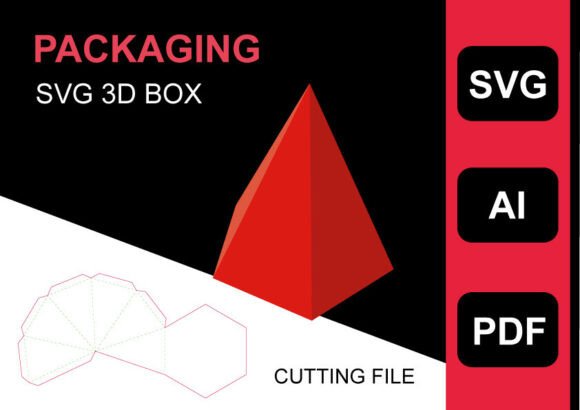
Umbrella 3D Papercraft: An Embroidery Designer's Review
As a professional embroidery designer and product reviewer, I constantly evaluate digital assets not just for their screen appeal, but for their tangible performance on fabric. When I first opened the Umbrella - 3d Papercraft files, my immediate assessment was framed through the lens of translation: how does this geometric, paper-craft aesthetic convert into thread? This design is categorized under Objects and provided as a 3D SVG, but for us in the textile industry, it represents a unique opportunity to create structured, modern embroidery that stands apart from traditional floral or cartoon motifs. The low-poly, faceted nature of this umbrella suggests a crisp, architectural look that demands precision in both digitizing and execution.
Translating Paper Geometry to Thread Texture
The visual personality of Umbrella - 3d Papercraft is defined by clean lines and distinct planes. In papercraft, these are folds; in embroidery, they must become deliberate stitch transitions. My first impression is that this design avoids the muddy, over-digitized look that plagues many complex vector conversions. Instead, it offers a stylized simplicity that feels intentional. For an embroidery project, this geometry creates a natural roadmap for color blocking. Each facet of the umbrella can serve as a separate fill stitch area, allowing for subtle shading through thread color variation rather than relying solely on density gradients. This makes the design exceptionally versatile for creating depth without adding excessive bulk to the fabric.
However, the "papercraft" origin means sharp corners are non-negotiable. Unlike organic shapes where a slight curve in stitching is forgiving, this design requires exact corner registration. If your machine embroidery design software allows for manual node adjustment, you will want to ensure every vertex is locked down. A rounded corner here would destroy the illusion of folded paper. I recommend treating this as a hybrid applique design or a precise fill stitch composition, depending on your target market and fabric choice.
Real-World Application: The Custom Tote Bag Test
To truly evaluate this asset, I mentally placed it into a current client request: a series of branded tote bags for a boutique stationery shop. The client wanted something that signaled "handmade" yet "modern." Umbrella - 3d Papercraft fits this niche perfectly. On a canvas tote bag design, the structured lines of the umbrella contrast beautifully with the organic weave of the cotton. It doesn't look like a generic clip-art addition; it looks like a curated piece of art.
In this scenario, I envision using matte thread colors to mimic the flat finish of cardstock, enhancing the 3D SVG concept. The assembled size reference of 43 x 44 x 44 CMS in the original papercraft gives us excellent proportional data. Scaled down for a tote bag, perhaps to 15cm wide, the proportions remain balanced. This is crucial for commercial embroidery projects where distortion ruins perceived value. For Etsy sellers or small shop owners, this specific aesthetic bridges the gap between digital art and handmade product, appealing to customers who appreciate both crafting disciplines. It works equally well as a centerpiece for sweatshirt embroidery, where the geometric shape sits comfortably on the chest without overwhelming the garment's drape.
Critical Considerations for Fabric and Stabilizer
While the design is visually striking, its success depends entirely on technical execution. You must be cautious when applying Umbrella - 3d Papercraft to textured fabrics like terry cloth or heavy linen. The sharp angles that define the papercraft style can get lost in high-pile textures. If you are stitching on tea towels or blankets, consider using a water-soluble topping to keep the stitches crisp and visible. Conversely, on thin or stretchy fabrics like jersey knits for baby embroidery or custom apparel, the risk is puckering. Geometric designs show tension issues more readily than organic ones because straight lines act as rulers against the fabric grain.
Stabilizer selection is not optional here. For a project like an embroidered patch or cap, you need a firm foundation to maintain those rigid angles. I would advise against using this design on highly curved surfaces like the front panel of a structured cap unless you have tested it extensively; the flat geometry fights against the compound curve of the hat. Similarly, tiny lettering integrated into such a graphic often fails. Keep text separate or significantly larger if combining with this umbrella motif. Always verify your hoop size before committing; the clean borders of this design look unprofessional if truncated or cramped against the hoop edge.
Enhancing Product Value and Brand Consistency
For creative entrepreneurs and digital product sellers, Umbrella - 3d Papercraft offers more than just a pretty picture; it offers brand consistency. The vector-based nature (DXF, EPS) ensures that whether you are printing a mockup for your website or stitching the final personalized gift, the lines remain identical. This coherence builds customer trust. When a buyer sees a printable mockup that accurately reflects the finished product, return rates drop and satisfaction rises.
The design’s versatility also extends to seasonal relevance without being cliché. While obviously suitable for rainy spring themes, the abstract geometric form allows it to function as general nursery decor or even holiday embroidery when color-swapped to metallics or jewel tones. For makers selling at craft fairs, this adaptability means one embroidery file can generate multiple SKU variations across different seasons, maximizing your return on investment for design assets.
Essential Pre-Stitch Checklist for Makers
Before you load this design into your machine or list it in your shop, run through this practical checklist derived from professional testing standards:
- Test Stitch on Scrap: Never skip this. Use the exact fabric and stabilizer combination intended for the final product to check corner alignment and stitch density.
- Verify File Compatibility: The package includes PDF, DXF, EPS, PNG, and JPG. Confirm you have converted these vectors into a proper machine embroidery format (PES, DST, JEF, etc.) compatible with your specific equipment before use.
- Check Licensing: Review the terms regarding commercial embroidery and digital resale. Ensure you are cleared to sell finished products or modified digital files.
- Contrast Check: Test the design in black and white mockups. If the facets disappear without color, you may need to add running stitch outlines between sections to define the 3D effect on monochromatic garments.
- Thread Color Planning: Because this mimics papercraft, avoid variegated threads which can blur the facet lines. Solid, matte threads usually yield the most professional result.
- Scale Appropriately: Respect the minimum size limits. Reducing geometric designs too far causes stitch overlap and needle breaks. Determine the smallest viable size during your test phase.
Umbrella - 3d Papercraft is a sophisticated asset for the discerning embroiderer. It moves beyond standard clip art, offering a structural elegance that elevates custom apparel, home decor, and boutique merchandise. By respecting its geometric origins and adapting your stabilization and digitizing techniques accordingly, you can transform this digital file into a high-value, tactile reality that resonates with modern craft consumers. Whether you are building a portfolio or fulfilling a custom order, this design rewards attention to detail with a polished, professional finish that clearly communicates quality craftsmanship.